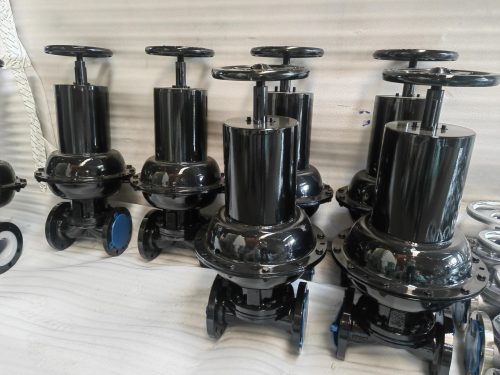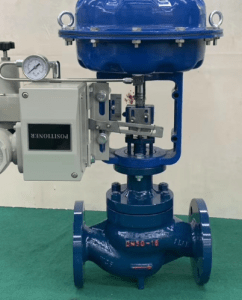

Super Duplex Valve Manufacturer in Germany
Super Duplex valves are designed for severe chloride containing and corrosive process environments requiring higher localized-corrosion resistance and mechanical strength than conventional duplex stainless steel. Grades such as UNS S32750 and UNS S32760 combine high chromium, molybdenum and nitrogen contents with a duplex austenitic ferritic microstructure.
Super Duplex Valves for High Chloride Service:
High chloride levels can promote:
- Pitting corrosion
- Crevice corrosion
- Stress corrosion cracking
- Localized attack beneath deposits
- Accelerated corrosion at sealing interfaces
Super Duplex stainless steel provides a higher corrosion-resistance margin than standard Duplex 2205 in many chloride bearing environments.
This makes Super Duplex valves suitable for:
- Seawater
- Brine
- Produced water
- Offshore processing
- Desalination
- High chloride cooling systems
- Selected aggressive chemical processes
Suitability still depends on actual chloride concentration, temperature, pH, dissolved gases and operating conditions.
PREN and Localized Corrosion Resistance:
- PREN indicates the relative resistance of stainless steel to chloride-induced pitting.
- Formula: PREN = %Cr + 3.3(%Mo) + 16(%N)
- Super Duplex: Generally has a PREN of about 40 or higher.
- Higher PREN usually means better pitting resistance.
Actual corrosion performance also depends on:
- Chloride concentration
- Temperature
- pH
- Oxygen level
- Surface condition
- Welding quality
- Crevice geometry
- Contaminants
Critical pitting and crevice temperatures can also be considered for severe seawater service.
Valve Configurations and Pressure Classes:
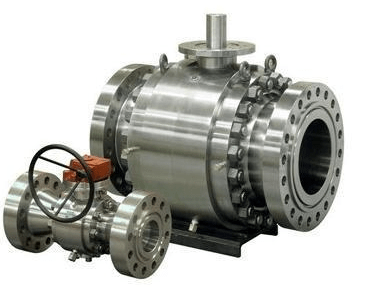
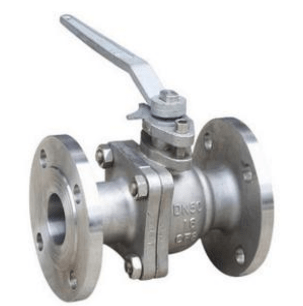
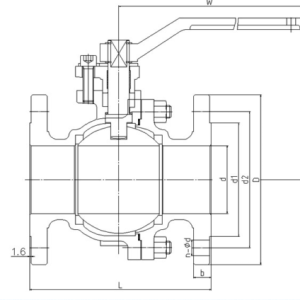
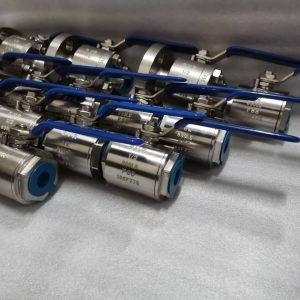
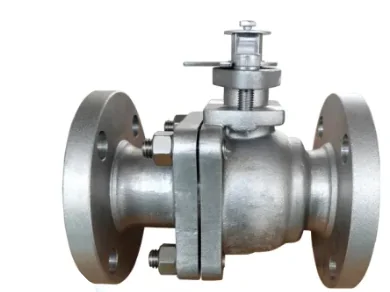
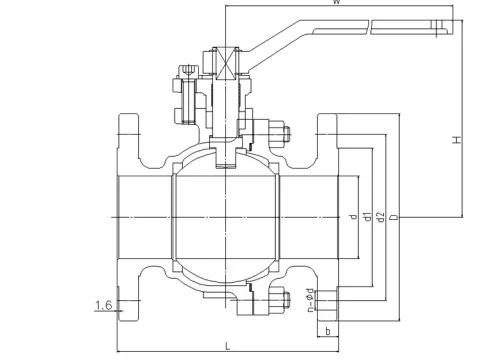
- Ball Valve: Quarter turn isolation with floating or trunnion design.
- Butterfly Valve: Compact option for medium and large diameter corrosive lines.
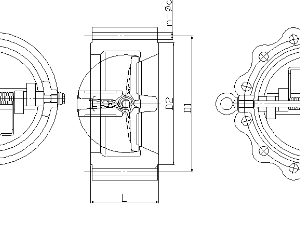
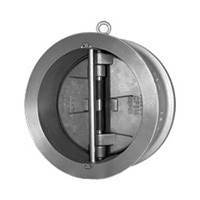
- Check Valve: Prevents reverse flow in seawater and offshore systems.
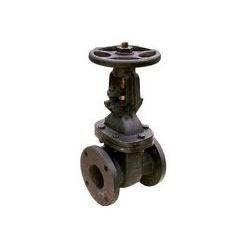
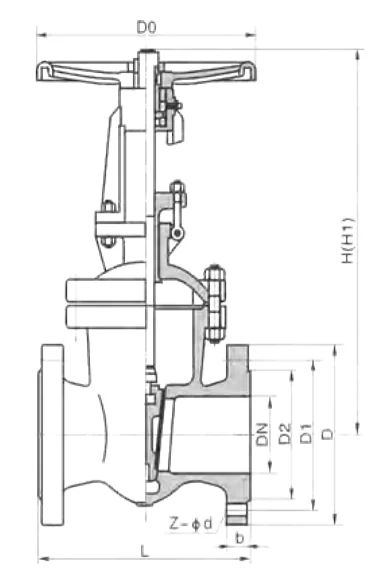
- Gate Valve: Straight through isolation for corrosive high pressure service.
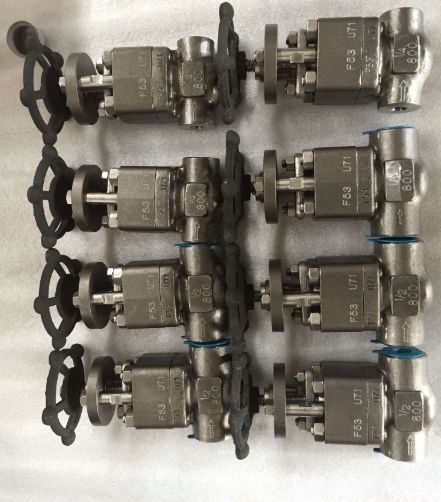
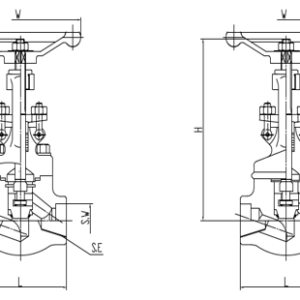
- Globe Valve: Provides flow regulation in corrosive process lines.
- Knife Gate Valve: Suitable for selected abrasive or solids containing corrosive media.
- Pressure Rating: PN or ASME classes depending on valve design.
Technical Specifications:
| Parameter | Typical Specification |
| Common Grades | UNS S32750 / F53; UNS S32760 / F55 |
| Valve Types | Ball, Butterfly, Check, Gate, Globe, Knife Gate and selected specialty valves |
| Size Range | DN15–DN600 depending on valve type |
| Pressure Rating | PN10–PN100 / ASME Class 150–900 in common configurations; higher classes design-dependent |
| Forged Materials | ASTM A182 F53 / F55 |
| Cast Materials | Applicable Super Duplex cast grades according to project specification |
| Trim | Super Duplex, compatible stainless steel or hard-faced trim |
| Seats | PTFE, RPTFE, PEEK, Metal or service-specific material |
| End Connections | Flanged, Butt Weld, Socket Weld, Threaded |
| Operation | Manual, Gear, Pneumatic, Electric or Hydraulic |
| Testing | EN 12266-1 / API 598 where applicable |
| Documentation | EN 10204 3.1/3.2, PMI and NDT where specified |
| Sour Service | NACE MR0175 / ISO 15156 where applicable and qualified |
Mechanical Strength and Material Properties:
Super Duplex stainless steel provides significantly higher yield strength than conventional austenitic stainless steel.
This can provide advantages such as:
- High pressure capability
- Greater resistance to mechanical loading
- Potential reduction in component section thickness where design codes permit
- Resistance to deformation
- Improved erosion corrosion performance in suitable services
The high mechanical strength is accompanied by good toughness when the material is correctly manufactured and heat treated.
However, Super Duplex has a more restricted useful high-temperature range than some conventional austenitic alloys because prolonged exposure to excessive temperature can promote undesirable intermetallic phases.
Sour Service and Welding Considerations:
Super Duplex can be used in selected sour oil and gas environments, but suitability must be verified against the actual hydrogen sulphide concentration, chloride content, temperature, pH and material hardness requirements.
Where sour service compliance is specified, material selection and manufacturing should follow NACE MR0175 / ISO 15156 requirements applicable to the component and operating environment.
Welding also requires careful control.
Important factors include:
- Qualified welding procedures
- Correct filler selection
- Controlled heat input
- Interpass temperature limits
- Root shielding
- Avoidance of contamination
- Phase-balance control
- Post weld cleaning
- Ferrite measurement where specified
Incorrect welding conditions can reduce corrosion resistance and mechanical performance. PMI, ferrite testing and corrosion testing can be specified according to project requirements.
Seawater and Offshore Applications
Super Duplex valves are widely selected for chloride-intensive marine and offshore systems.
Typical applications include:
- Seawater injection
- Seawater cooling
- Offshore platforms
- Subsea process systems
- Produced water treatment
- Desalination plants
- Reverse osmosis high pressure piping
- Brine systems
- Firewater networks
- Chemical injection
- Oil and gas processing
- Coastal process facilities
For seawater applications, material selection should consider temperature, flow velocity, stagnant conditions and crevice geometry in addition to chloride concentration.
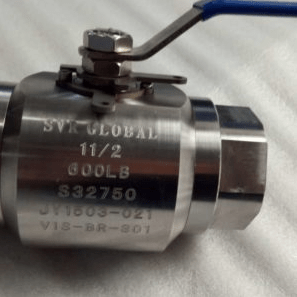
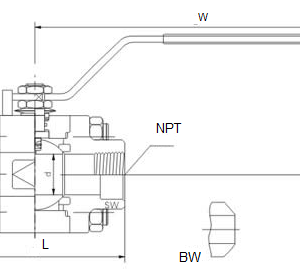
F51 Super Duplex Ball Valve
Price range: €183.70 through €2,075.00
F53/F55 Super Duplex Globe Valve
Price range: €185.70 through €293.00

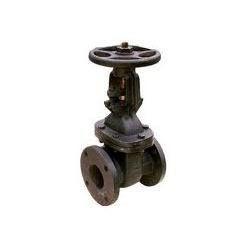
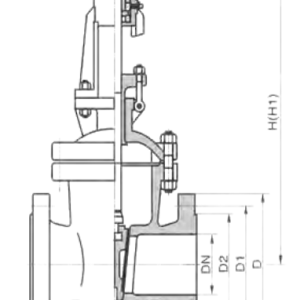
Super Duplex 5A Gate Valve
Price range: €504.00 through €1,481.00
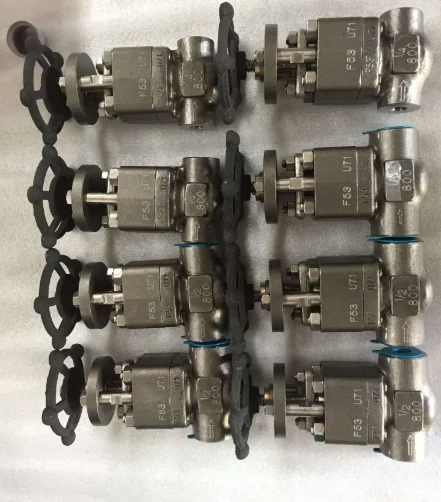
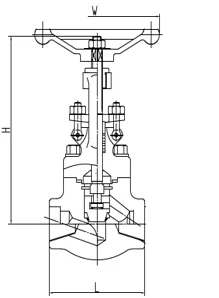
Super Duplex 5A Globe Valve
Price range: €756.00 through €1,721.00
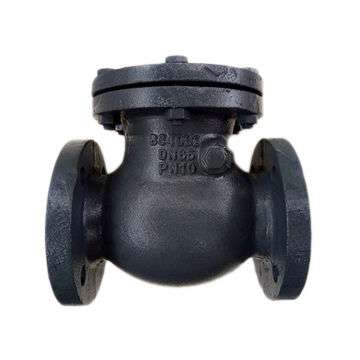
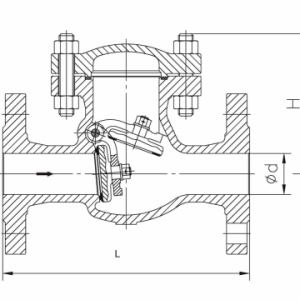
Super Duplex 5A Swing Check Valve
Price range: €334.00 through €2,404.00
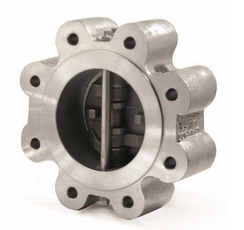
Super Duplex Gate Valve
Price range: €437.00 through €730.00