
Aluminium Bronze Valve Manufacturer in Germany
Aluminium bronze valves are used in marine, offshore and seawater piping systems where a combination of corrosion resistance, mechanical strength and resistance to wear is required. These copper-based alloys contain aluminium together with controlled additions of nickel, iron and other elements to produce materials suited to demanding saltwater environments.
Seawater Resistant Valve Construction:
- Chloride Exposure: Seawater contains chlorides and dissolved oxygen that can accelerate corrosion.
- Protective Oxide Film: Aluminium bronze forms an aluminium rich oxide layer that improves seawater corrosion resistance.
- Common Uses: Marine valve bodies, pumps, propellers, fittings, valve seats and offshore equipment.
- Selection Factors: Consider flow velocity, galvanic interaction, temperature and water chemistry.
Aluminium Bronze Valve Configurations:
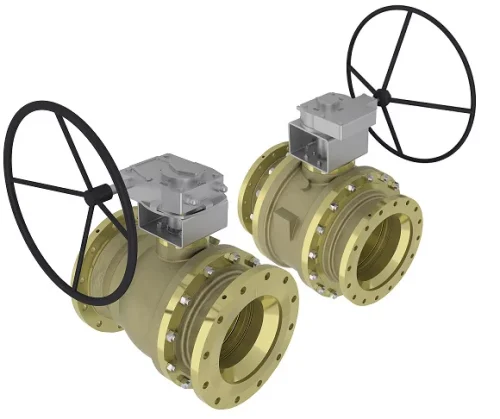
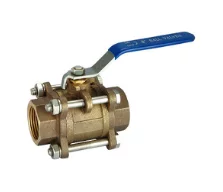
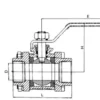
- Aluminium Bronze Ball Valve
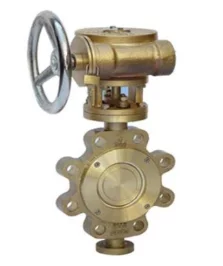
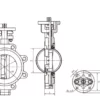
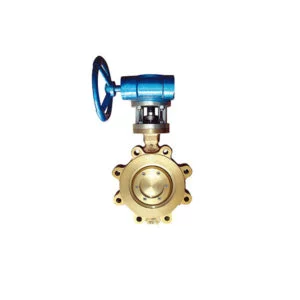
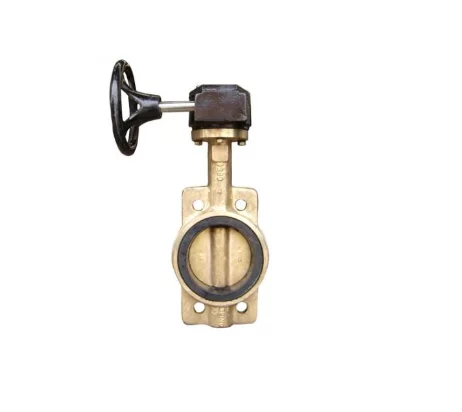
- Aluminium Bronze Butterfly Valve
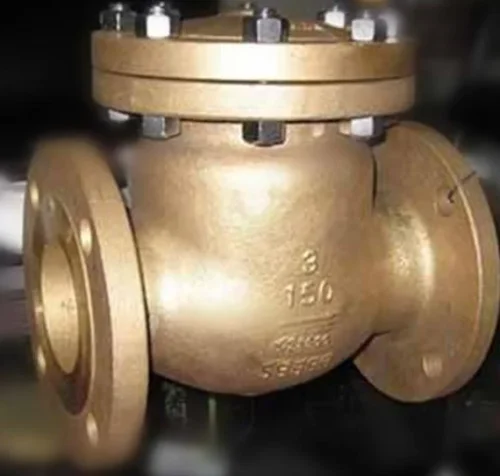
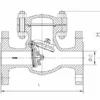
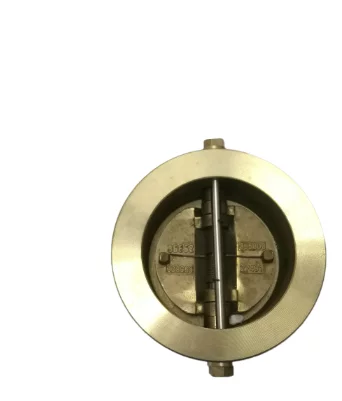
- Aluminium Bronze Check Valve
- Aluminium Bronze Gate Valve
- Aluminium Bronze Globe Valve
Copper Aluminium Alloy Properties:
- C95800: Nickel aluminium bronze for seawater, marine valves and pump components.
- C95500: High strength aluminium bronze for demanding cast valve components.
- C95400: Cast aluminium bronze for wear and corrosion resistant industrial service.
- Key Properties: Good seawater corrosion resistance, mechanical strength, wear resistance, galling resistance and low temperature toughness.
- Selection: Grade should match component form, pressure, temperature and environmental conditions.
Technical Specifications:
| Parameter | Typical Specification |
| Valve Types | Ball, Butterfly, Check, Gate, Globe |
| Size Range | DN15–DN600 |
| Pressure Rating | PN10–PN40 / ASME Class 150–300 in the standard listed range |
| Body Materials | Aluminium Bronze / Nickel Aluminium Bronze |
| Common Cast Grades | ASTM B148 C95400, C95500, C95800 where applicable |
| Trim | Aluminium Bronze, Nickel Aluminium Bronze, Stainless Steel |
| Seats | EPDM, NBR, PTFE/RPTFE or Metal depending on design |
| End Connections | Flanged, Butt Weld, Socket Weld, Threaded depending on valve type |
| Operating Temperature | Approximately -50°C to +200°C depending on alloy and sealing materials |
| Testing | EN 12266-1 / API 598 where applicable |
| Design Requirements | Valve-type specific EN, ASME, API or project standards |
Resistance to Seawater Corrosion and Biofouling:
- Seawater Corrosion Resistance: Aluminium bronze forms a protective oxide layer that supports resistance to general seawater corrosion.
- Common Marine Grade: Nickel aluminium bronze such as C95800 is widely used for seawater valve applications.
- Key Service Factors: Performance depends on seawater velocity, chloride level, temperature, dissolved oxygen and contaminants.
- Operating Conditions: Stagnant water, surface condition and galvanic coupling can affect corrosion behaviour.
- Biofouling Resistance: Copper-containing alloys can reduce marine biological attachment compared with many structural materials.
- Material Limitation: Aluminium bronze is not completely immune to corrosion or biofouling; performance depends on alloy grade, heat treatment and actual service conditions.
Galvanic Compatibility and Material Selection:
- Check compatibility between carbon steel, stainless steel, copper nickel and aluminium bronze.
- Review connected pipe, flange and fastener materials.
- Consider the relative exposed area of dissimilar metals.
- Check electrical continuity between connected components.
- Assess interaction with cathodic protection systems.
- Use isolation gaskets where galvanic separation is required.
- Consider seawater chemistry and flow velocity.
- Take extra care when aluminium bronze is connected to more noble alloys.
- Select compatible fasteners and suitable corrosion control measures.
Marine and Offshore Applications:
Typical applications include:
- Seawater cooling systems
- Shipbuilding
- Ballast systems
- Bilge systems
- Sea water intake lines
- Desalination plants
- Offshore platforms
- Firewater systems
- Deluge systems
- Coastal power plants
- Port infrastructure
- Marine utility piping
- Brine handling systems
Butterfly valves are commonly selected for large cooling water lines, ball and gate valves for isolation, check valves for pump protection and globe valves where regulation is required.
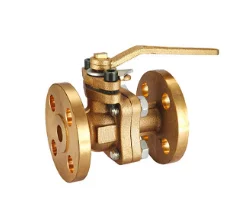
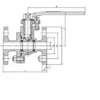
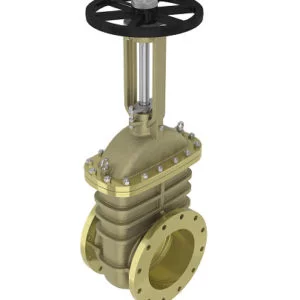
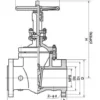
Aluminium Bronze Gate Valve
Price range: €126.00 through €8,972.00
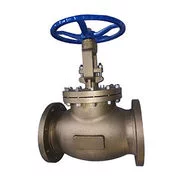
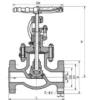
ALUMINIUM BRONZE GLOBE VALVE
Price range: €134.00 through €3,184.00